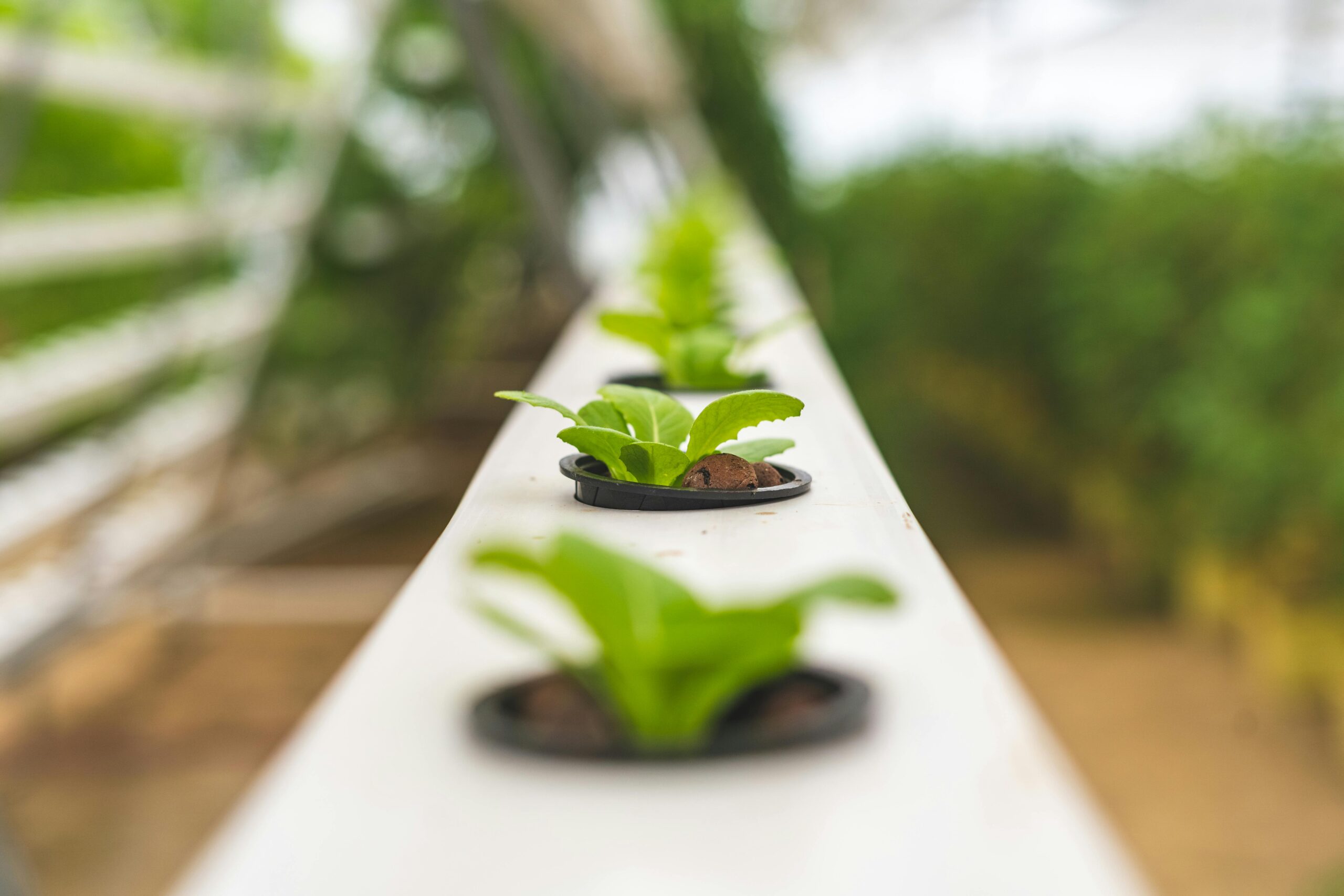
Bio-manufacturing is reshaping how we produce essential materials, offering cleaner alternatives to traditional industrial processes. This innovative approach harnesses living organisms to create enzymes, biofuels, and sustainable materials that protect our planet.

The convergence of biotechnology and manufacturing has opened unprecedented opportunities for industries seeking to reduce their environmental footprint. As global awareness about climate change intensifies, bio-manufacturing emerges as a powerful solution that combines economic viability with ecological responsibility, transforming raw biological materials into valuable products that serve diverse sectors.
🌱 Understanding the Bio-Manufacturing Revolution
Bio-manufacturing represents a fundamental shift in production methodology, utilizing biological systems such as bacteria, yeast, algae, and plant cells to synthesize complex compounds. Unlike conventional chemical synthesis that often requires high temperatures, toxic solvents, and significant energy consumption, bio-manufacturing operates under mild conditions, mimicking nature’s efficient processes.
This biological approach to production offers remarkable advantages. Microorganisms can be engineered to produce specific molecules with precision, converting renewable feedstocks into valuable products. The process generates fewer byproducts, reduces waste, and minimizes carbon emissions compared to traditional manufacturing methods.
The economic implications are equally compelling. As technology advances and scales up, bio-manufactured products are becoming cost-competitive with their petroleum-based counterparts. Investment in bio-manufacturing infrastructure continues to grow, with governments and private enterprises recognizing its potential to address both environmental challenges and market demands.
🧬 Enzymes: Nature’s Catalysts Transforming Industries
Enzymes stand at the forefront of the bio-manufacturing revolution, serving as biological catalysts that accelerate chemical reactions without being consumed in the process. These protein molecules demonstrate extraordinary specificity and efficiency, making them invaluable across numerous industrial applications.
Industrial Applications Revolutionizing Production
The detergent industry has witnessed dramatic transformation through enzyme integration. Proteases, lipases, and amylases enable laundry detergents to work effectively at lower temperatures, reducing energy consumption in households worldwide. This simple innovation translates to millions of tons of CO2 emissions prevented annually.
Textile manufacturing has embraced enzymatic processing to replace harsh chemical treatments. Cellulases soften fabrics and create stonewashed effects on denim without damaging fibers, while catalases remove hydrogen peroxide residues from bleaching processes. These applications reduce water consumption and eliminate toxic chemical discharge into waterways.
The food and beverage sector relies heavily on bio-manufactured enzymes. Amylases convert starches to sugars in brewing and baking, while pectinases clarify fruit juices. Lactases enable production of lactose-free dairy products, expanding market accessibility. These enzymes improve product quality while reducing processing time and energy requirements.
Medical and Pharmaceutical Breakthroughs
Bio-manufactured enzymes have revolutionized pharmaceutical production. They enable synthesis of complex drug molecules that would be impossible or prohibitively expensive through traditional chemistry. Enzyme-based therapeutics treat conditions ranging from digestive disorders to genetic diseases, offering targeted interventions with minimal side effects.
Diagnostic applications have expanded dramatically. Enzymatic biosensors detect glucose levels in diabetic patients, while specialized enzymes identify disease markers in blood tests. The precision and reliability of these biological tools have made them indispensable in modern healthcare.
⚡ Biofuels: Powering a Sustainable Future
The transportation sector accounts for approximately 25% of global greenhouse gas emissions, making alternative fuel development critical for climate action. Biofuels produced through bio-manufacturing offer renewable energy sources that can reduce our dependence on fossil fuels while lowering carbon footprints.
Advanced Biofuel Technologies
First-generation biofuels derived from food crops like corn and sugarcane faced criticism for competing with food production. Bio-manufacturing has enabled development of advanced biofuels from non-food biomass, including agricultural residues, forestry waste, and dedicated energy crops that grow on marginal lands.
Cellulosic ethanol represents a major breakthrough. Engineered microorganisms break down tough plant cell walls, releasing sugars that ferment into ethanol. This process transforms materials previously considered waste into valuable fuel, creating circular economy opportunities for agricultural communities.
Biodiesel production through bio-manufacturing utilizes lipases to convert vegetable oils and animal fats into fuel compatible with existing diesel engines. Algae-based biofuels show particular promise, as these photosynthetic organisms produce oil-rich biomass without requiring arable land, fresh water, or competing with food production.
The Carbon-Neutral Promise
Biofuels offer potential carbon neutrality because the CO2 released during combustion approximately equals the amount absorbed by plants during growth. This closed carbon cycle contrasts sharply with fossil fuels, which release carbon sequestered millions of years ago, adding new CO2 to the atmosphere.
Bio-manufacturing enhances this environmental benefit through process optimization. Engineered microorganisms achieve higher conversion efficiencies, requiring less feedstock and energy input per unit of fuel produced. Some systems even capture and utilize CO2 from industrial emissions, creating truly carbon-negative production cycles.
♻️ Eco-Friendly Materials Replacing Petroleum Products
The plastics crisis demands urgent solutions. Eight million tons of plastic enter oceans annually, harming marine life and entering food chains. Bio-manufacturing offers alternatives through bio-based and biodegradable materials that maintain functionality while dramatically reducing environmental persistence.
Bioplastics and Biodegradable Polymers
Polylactic acid (PLA) demonstrates the potential of bio-manufactured materials. Produced from fermented plant sugars, PLA creates transparent, rigid plastics suitable for packaging, disposable tableware, and 3D printing filaments. Under industrial composting conditions, PLA biodegrades within months rather than centuries.
Polyhydroxyalkanoates (PHAs) represent another breakthrough. Bacteria produce these polymers naturally as energy storage, accumulating them within cellular structures. Harvested PHAs create plastics with properties ranging from rigid to flexible, biodegrading even in marine environments—a critical advantage for reducing ocean pollution.
Bio-manufactured materials extend beyond simple plastics. Mycelium-based composites utilize fungal networks to create packaging materials, building insulation, and even leather alternatives. These materials grow into desired shapes within days, require minimal energy input, and fully compost at end-of-life.
Performance and Scalability Challenges
While eco-friendly materials show tremendous promise, challenges remain. Some bioplastics exhibit lower heat resistance or mechanical strength compared to conventional plastics, limiting applications. Research focuses on enhancing material properties through genetic engineering and processing innovations.
Scalability presents economic hurdles. Bio-manufacturing facilities require significant capital investment, and production costs often exceed petroleum-based alternatives. However, as technology matures and fossil fuel prices incorporate environmental costs, bio-manufactured materials become increasingly competitive.
🔬 Synthetic Biology: Engineering Better Microorganisms
Synthetic biology amplifies bio-manufacturing potential by redesigning organisms for optimal production. Scientists modify metabolic pathways, enhancing desired characteristics while eliminating inefficiencies. This precision engineering accelerates development of new products and improves existing processes.
CRISPR gene-editing technology has revolutionized organism development. Researchers can now make targeted genetic modifications with unprecedented accuracy and speed, reducing development timelines from years to months. This capability enables rapid response to emerging needs and market opportunities.
Computational modeling guides synthetic biology efforts. Sophisticated algorithms predict how genetic modifications will affect organism behavior, allowing scientists to design improvements before conducting laboratory experiments. This approach reduces trial-and-error, accelerating innovation while controlling costs.
🌍 Environmental Impact and Life Cycle Analysis
Quantifying bio-manufacturing’s environmental benefits requires comprehensive life cycle assessment. These analyses examine resource inputs, energy consumption, emissions, and waste generation from raw material extraction through production, use, and disposal.
Studies consistently show bio-manufactured products generating lower carbon footprints than conventional alternatives. Enzyme production emits 50-70% less CO2 than chemical catalysts performing equivalent functions. Biofuels reduce lifecycle greenhouse gas emissions by 40-90% compared to gasoline, depending on feedstock and production methods.
Water usage presents more complex trade-offs. While bio-manufacturing processes themselves typically consume less water than chemical synthesis, growing biomass feedstocks requires irrigation. Optimal implementations utilize waste streams or rain-fed crops, minimizing freshwater demands.
💼 Economic Opportunities and Market Growth
The global bio-manufacturing market demonstrates explosive growth, projected to exceed $500 billion by 2030. This expansion creates employment opportunities across research, production, agriculture, and supporting industries. Rural communities particularly benefit from biomass cultivation and processing facilities.
Government policies increasingly support bio-manufacturing development. Renewable fuel standards mandate biofuel blending, guaranteeing market demand. Tax incentives and research grants accelerate technology development and commercial deployment. These policies reflect recognition that bio-manufacturing addresses environmental imperatives while strengthening economic competitiveness.
Corporate sustainability commitments drive adoption. Major brands pledge to source bio-based materials and renewable energy, creating demand that stimulates bio-manufacturing investment. Consumer preferences increasingly favor sustainable products, rewarding companies that embrace these technologies.
🚀 Overcoming Technical and Regulatory Barriers
Despite remarkable progress, bio-manufacturing faces obstacles requiring continued innovation and policy adaptation. Feedstock supply chains need development to ensure consistent, cost-effective biomass availability. Establishing collection networks for agricultural residues and waste materials creates logistical challenges.
Regulatory frameworks struggle to keep pace with technological advancement. Genetically modified organisms face varying approval processes across jurisdictions, complicating international commercialization. Harmonizing standards while maintaining appropriate safety oversight remains an ongoing challenge.
Public perception influences adoption rates. Education about bio-manufacturing’s safety and benefits helps overcome skepticism regarding genetically engineered organisms and novel materials. Transparent communication and demonstrated environmental improvements build consumer confidence.
🎯 Future Directions and Emerging Applications
Bio-manufacturing’s potential extends far beyond current applications. Researchers explore producing rare earth elements through bacterial processing, potentially revolutionizing electronics manufacturing while reducing destructive mining. Bio-manufactured spider silk proteins create ultra-strong fibers for textiles, medical sutures, and composite materials.
Carbon capture and utilization represents a frontier application. Engineered microorganisms convert CO2 directly into valuable chemicals, closing carbon cycles while generating revenue from waste streams. Pilot projects demonstrate technical feasibility, with commercialization dependent on economic optimization.
Personalized medicine benefits from bio-manufacturing advances. On-demand production of therapeutic proteins and customized vaccines becomes increasingly practical, enabling rapid response to emerging diseases and tailored treatments matching individual patient needs.

🌟 Building a Sustainable Industrial Ecosystem
Realizing bio-manufacturing’s full potential requires systemic thinking. Integrating these technologies within circular economy frameworks maximizes resource efficiency. Waste from one process becomes feedstock for another, eliminating disposal costs while generating additional value streams.
Collaboration across sectors accelerates progress. Partnerships linking academic researchers, industrial producers, and policy makers facilitate knowledge transfer and coordinate infrastructure development. Open innovation models share discoveries broadly, preventing duplication and accelerating collective advancement.
Investment in education and workforce development ensures human capital matches technological needs. Interdisciplinary training programs combining biology, engineering, and business prepare professionals to drive bio-manufacturing innovation and implementation across industries.
The bio-manufacturing revolution offers genuine hope for reconciling industrial productivity with planetary health. Through enzymes, biofuels, and eco-friendly materials, we can meet human needs while respecting ecological boundaries. Success requires sustained commitment to research, intelligent policy support, and willingness to reimagine how we produce goods and energy. The technologies exist; our collective challenge involves scaling implementation quickly enough to address urgent environmental crises while building prosperous, sustainable economies for future generations.