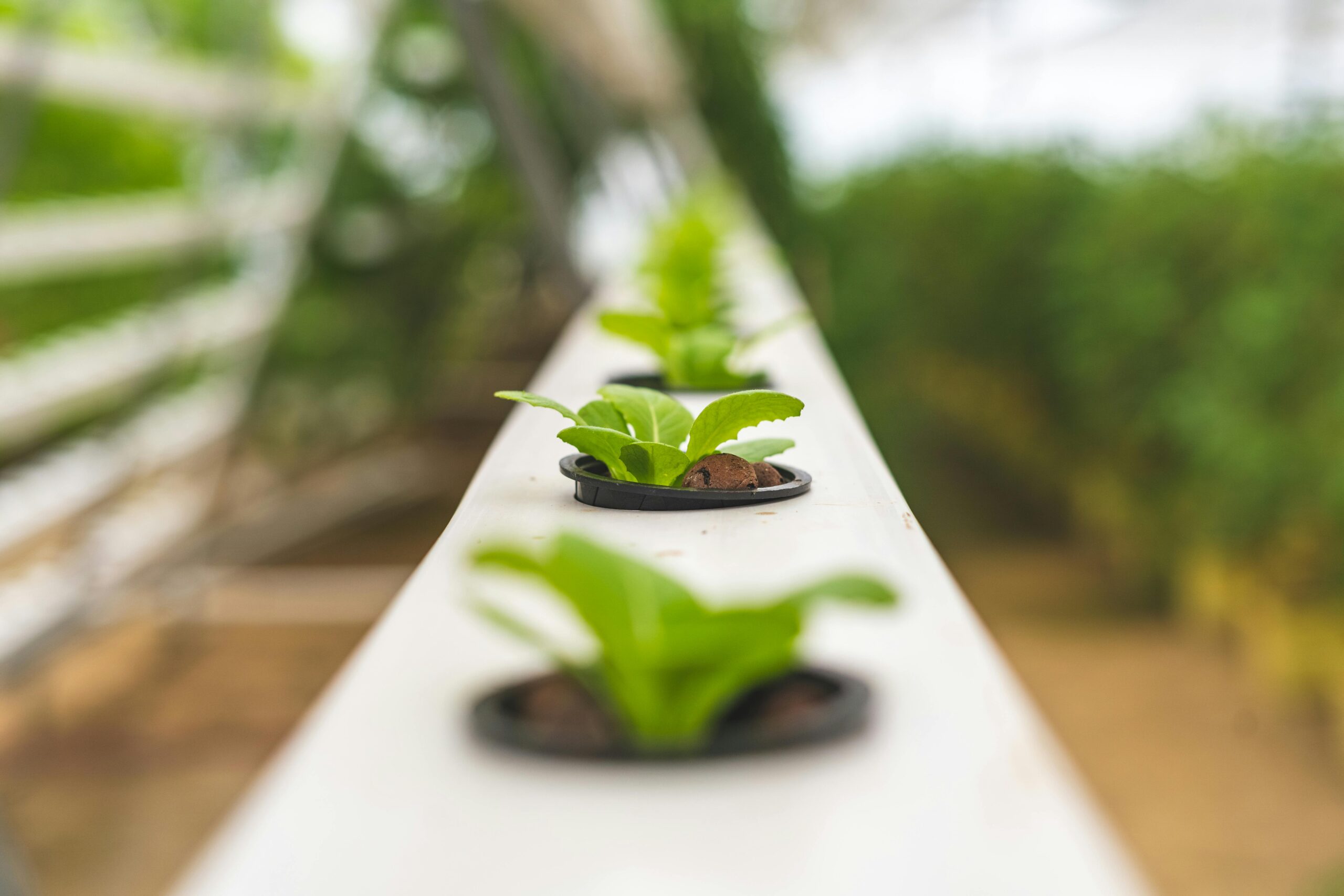
The world stands at a critical crossroads where traditional manufacturing meets cutting-edge biological innovation. Biomanufacturing and industrial biotechnology are emerging as transformative forces reshaping how we produce everything from medicines to materials.

As global challenges intensify—climate change, resource depletion, and environmental degradation—industries are turning to nature’s own toolkit for solutions. This paradigm shift represents more than technological advancement; it’s a fundamental reimagining of production systems that could define the sustainability of our future economy.
🧬 Understanding the Biomanufacturing Revolution
Biomanufacturing harnesses living cells, enzymes, and biological systems to produce goods and materials. Unlike conventional manufacturing that relies heavily on petroleum-based chemistry and energy-intensive processes, biomanufacturing leverages the inherent efficiency of biological organisms. These microscopic factories can operate at ambient temperatures, use renewable feedstocks, and generate minimal waste.
Industrial biotechnology applies biological principles and engineering to create commercially valuable products. This interdisciplinary field combines molecular biology, biochemistry, genetics, and process engineering to develop scalable solutions that address real-world challenges.
The global biomanufacturing market has experienced exponential growth, with projections suggesting it could reach over $500 billion by 2030. This expansion reflects increasing investment from both established corporations and innovative startups recognizing the commercial viability of bio-based production methods.
From Pharmaceuticals to Plastics: Applications Transforming Industries
Revolutionizing Pharmaceutical Production 💊
The pharmaceutical industry has been an early adopter of biomanufacturing technologies. Biologic drugs—medications produced using living organisms—now represent some of the most effective treatments for conditions ranging from cancer to autoimmune diseases. Monoclonal antibodies, vaccines, and gene therapies all depend on sophisticated biomanufacturing processes.
Traditional chemical synthesis of complex molecules often requires multiple steps, harsh conditions, and generates substantial waste. Biomanufacturing offers a cleaner alternative, using genetically engineered microorganisms to produce therapeutic proteins with remarkable precision and efficiency.
The COVID-19 pandemic highlighted the critical importance of biomanufacturing capacity. mRNA vaccines, a triumph of biotechnology, demonstrated how rapidly bio-based production systems could be deployed to address global health emergencies. This experience accelerated investment and innovation across the entire sector.
Creating Sustainable Materials and Chemicals
Beyond healthcare, biomanufacturing is revolutionizing materials science. Biodegradable plastics produced from renewable resources offer alternatives to petroleum-based polymers that persist in the environment for centuries. Companies are now manufacturing bioplastics from agricultural waste, algae, and even captured carbon dioxide.
Industrial enzymes represent another significant application. These biological catalysts enable more efficient chemical reactions in industries ranging from textiles to paper production. Enzymes can replace harsh chemicals, reduce energy consumption, and minimize environmental impact while maintaining or improving product quality.
Specialty chemicals traditionally derived from petroleum can now be produced through fermentation. Bio-based production of ingredients for cosmetics, fragrances, and food additives provides sustainable alternatives while often delivering superior performance characteristics.
The Technology Driving Biological Manufacturing Forward 🚀
Synthetic Biology: Engineering Life’s Building Blocks
Synthetic biology represents the convergence of biology and engineering, enabling scientists to design and construct new biological systems. By treating DNA as programmable code, researchers can engineer microorganisms to perform specific functions—producing desired compounds, breaking down pollutants, or sensing environmental conditions.
CRISPR gene editing technology has dramatically accelerated synthetic biology capabilities. This precise molecular tool allows scientists to modify genetic material with unprecedented accuracy and efficiency, reducing development timelines from years to months.
Computational tools and artificial intelligence are increasingly integral to biomanufacturing development. Machine learning algorithms can predict optimal genetic modifications, simulate metabolic pathways, and optimize production conditions, dramatically reducing the trial-and-error traditionally required in biological engineering.
Advanced Fermentation and Cell Culture Systems
Modern biomanufacturing facilities employ sophisticated bioreactor systems that maintain precise control over temperature, pH, oxygen levels, and nutrient delivery. These controlled environments maximize productivity while ensuring consistent product quality.
Continuous manufacturing processes represent a significant advancement over traditional batch production. By maintaining steady-state conditions, continuous systems improve efficiency, reduce costs, and enable real-time quality monitoring.
Cell-free systems—which use cellular machinery without intact living cells—offer advantages for certain applications. These systems simplify downstream processing and can produce compounds that might be toxic to living cells.
Environmental Benefits: Manufacturing in Harmony with Nature 🌱
The environmental advantages of biomanufacturing extend across multiple dimensions. Biological production systems typically operate at lower temperatures than chemical processes, dramatically reducing energy consumption. Many bio-based processes use renewable feedstocks like agricultural residues or plant sugars rather than finite petroleum resources.
Carbon footprint reductions can be substantial. Some biomanufacturing processes actually consume carbon dioxide, effectively sequestering greenhouse gases within their products. Life cycle assessments consistently demonstrate that bio-based materials generate fewer emissions than conventional alternatives.
Water usage—a critical consideration in manufacturing—can be significantly reduced through biological processes. Additionally, biomanufacturing typically generates less hazardous waste, and the waste produced is often biodegradable or recyclable as nutrients for subsequent production cycles.
Circular Economy Integration
Biomanufacturing aligns naturally with circular economy principles. Biological systems can transform waste streams into valuable products, creating closed-loop systems that minimize resource extraction and waste generation. Agricultural residues, food processing byproducts, and even plastic waste can serve as feedstocks for biomanufacturing processes.
This approach addresses multiple challenges simultaneously: reducing waste disposal problems, decreasing dependence on virgin materials, and creating economic value from previously discarded resources. The result is production systems that mimic natural ecosystems where waste from one process becomes input for another.
Economic Opportunities and Market Transformation
The shift toward biomanufacturing creates significant economic opportunities. New industries are emerging around bio-based products, generating employment in research, production, and supporting services. Regions investing in biotechnology infrastructure position themselves advantageously for future economic growth.
Cost competitiveness continues improving as technologies mature and scale increases. Many bio-based products now compete favorably with conventional alternatives on price while offering superior environmental profiles. As carbon pricing and environmental regulations expand globally, the economic advantages of biomanufacturing will strengthen further.
Investment capital is flowing increasingly toward biotechnology ventures. Venture capital, corporate investment, and government funding support are accelerating innovation and commercialization. This financial backing reflects confidence in biomanufacturing’s potential to deliver both environmental benefits and financial returns.
Key Industries Being Disrupted
- Textile and Fashion: Bio-based fibers, dyes, and leather alternatives reduce environmental impact while offering unique properties
- Agriculture: Biofertilizers, biopesticides, and animal feed additives improve sustainability and productivity
- Energy: Biofuels and biochemicals provide renewable alternatives to petroleum products
- Construction: Bio-based adhesives, insulation, and building materials offer sustainable options
- Food and Beverage: Precision fermentation produces proteins, fats, and flavors without traditional agriculture
Challenges on the Path to Widespread Adoption ⚠️
Technical and Scaling Hurdles
Despite remarkable progress, biomanufacturing faces significant challenges. Scaling laboratory successes to industrial production volumes often proves difficult. Biological systems that perform well at small scales may behave differently in large bioreactors, requiring extensive optimization.
Product consistency and quality control demand rigorous attention. Biological systems exhibit inherent variability, and maintaining consistent output requires sophisticated monitoring and control systems. Regulatory agencies impose stringent requirements, particularly for pharmaceutical and food applications.
Production costs remain higher than conventional alternatives for many applications. While improving rapidly, bio-based processes must achieve cost parity to compete in price-sensitive markets. Capital requirements for specialized facilities and equipment can be substantial, creating barriers to entry.
Regulatory and Public Acceptance
Regulatory frameworks are still evolving to address biomanufactured products. Uncertainty about approval pathways can delay commercialization and deter investment. Harmonization of regulations across jurisdictions remains incomplete, complicating international trade.
Public perception of biotechnology varies significantly across regions and demographics. While many consumers embrace sustainable alternatives, others express concerns about genetic engineering and “unnatural” processes. Transparent communication about safety, benefits, and production methods is essential for building trust.
Intellectual property considerations add complexity. Patent landscapes can be dense and disputed, potentially impeding innovation. Balancing innovation incentives with accessibility concerns requires thoughtful policy approaches.
The Road Ahead: Innovations Shaping Tomorrow’s Biomanufacturing 🔮
Emerging Technologies and Approaches
Next-generation biomanufacturing will leverage increasingly powerful tools. Advances in artificial intelligence enable autonomous optimization of production systems, continuously improving efficiency without human intervention. Digital twins—virtual replicas of physical systems—allow experimentation and optimization in silico before implementing changes.
Multi-organism consortia represent an exciting frontier. Rather than engineering single organisms to perform complex tasks, researchers are designing communities of microbes that work together, each contributing specialized functions. This approach mimics natural ecosystems and may prove more robust and efficient.
Integration with other emerging technologies creates synergistic possibilities. 3D bioprinting combines biomanufacturing with additive manufacturing to create complex structures. Nanotechnology enables precise control at molecular scales. Internet of Things connectivity facilitates real-time monitoring and optimization across distributed production networks.
Expanding Application Frontiers
Future applications will extend biomanufacturing into new domains. Biological computers using DNA for information storage and processing could revolutionize data management. Living building materials that self-repair and adapt to environmental conditions may transform construction. Bioremediation systems employing engineered organisms could clean contaminated sites more effectively than conventional methods.
Space exploration presents unique opportunities for biomanufacturing. Producing food, materials, and pharmaceuticals using biological systems could enable long-duration missions and off-world settlements. The constraints of space environments drive innovations applicable to terrestrial applications.
Building the Infrastructure for a Bio-Based Economy 🏗️
Realizing biomanufacturing’s full potential requires substantial infrastructure development. Education systems must produce scientists and engineers with interdisciplinary expertise spanning biology, chemistry, engineering, and data science. Workforce training programs should prepare technicians for biomanufacturing facilities.
Research institutions need sustained funding for both fundamental science and translational research bridging laboratory discoveries and commercial applications. Public-private partnerships can accelerate development while ensuring societal benefits guide innovation priorities.
Supply chain infrastructure must evolve to support bio-based production. Feedstock logistics, specialized equipment manufacturing, and distribution networks require investment and coordination. Standards and certifications help ensure quality while facilitating market development.
Global Collaboration for Shared Prosperity 🌍
Biomanufacturing’s challenges and opportunities transcend national boundaries. International collaboration accelerates innovation through shared knowledge and resources. Global supply chains and markets mean developments in one region affect others worldwide.
Ensuring equitable access to biomanufacturing benefits remains imperative. Technology transfer mechanisms can help developing nations build capacity and participate in the bio-economy. Addressing disparities prevents biomanufacturing from exacerbating global inequalities.
Ethical frameworks should guide development, balancing innovation with responsibility. Considerations include environmental protection, equitable benefit sharing, biosafety, and respect for diverse cultural perspectives on biotechnology.
Catalyst for Transformation: Policy and Investment Priorities
Government policies profoundly influence biomanufacturing development. Supportive regulatory frameworks that ensure safety without stifling innovation enable responsible growth. Tax incentives and procurement preferences can accelerate market adoption of bio-based products.
Research funding priorities shape innovation trajectories. Balancing fundamental science with applied research ensures both breakthrough discoveries and practical applications. Long-term commitment provides stability for sustained progress.
Private sector investment drives commercialization and scaling. Creating attractive investment environments requires clear regulations, intellectual property protection, and market opportunities. Corporate adoption of bio-based inputs creates demand that stimulates innovation throughout value chains.
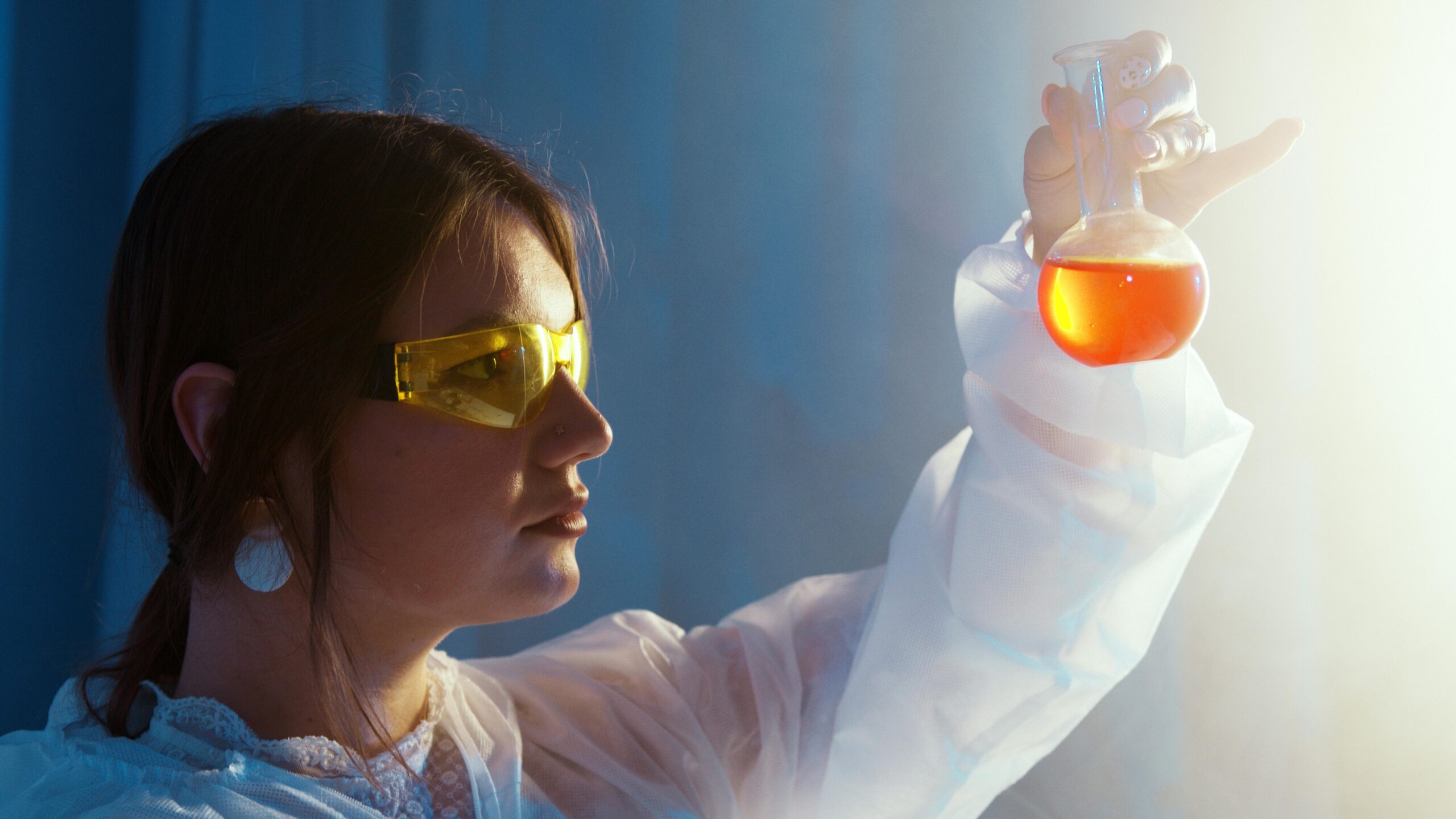
Manufacturing’s Biological Renaissance: A Future Taking Shape
The convergence of biological understanding, engineering capability, and computational power is enabling a manufacturing revolution. Biomanufacturing and industrial biotechnology offer pathways to production systems that work with natural processes rather than against them. These approaches address environmental imperatives while creating economic opportunities.
Challenges remain substantial, but momentum is building across technical capabilities, market acceptance, and supportive policies. Early successes in pharmaceuticals, materials, and chemicals demonstrate viability while highlighting potential applications across virtually all industries.
The transition to bio-based manufacturing won’t happen overnight or uniformly. Different sectors will adopt biological approaches at different rates based on technical readiness, economic factors, and regulatory environments. Hybrid systems combining biological and conventional methods may represent transitional stages toward fully bio-based production.
What’s clear is that biomanufacturing represents far more than incremental improvement. It’s a fundamentally different approach to making things—one that could redefine humanity’s relationship with the planet. By harnessing life’s inherent creativity and efficiency, we can build economies that regenerate rather than deplete, that work within ecological boundaries rather than transgressing them.
The rise of biomanufacturing and industrial biotechnology signals a transformation as significant as previous industrial revolutions. This biological renaissance offers hope for sustainable prosperity, demonstrating that economic development and environmental stewardship need not conflict. The industries of tomorrow will increasingly be grown, not just built—cultivated through scientific ingenuity and nurtured by wise policies that recognize manufacturing’s sustainable future is fundamentally biological.